
Loading filters. You can browse the collection below.

Scalextric C8514 Ultimate Track Extension Pack
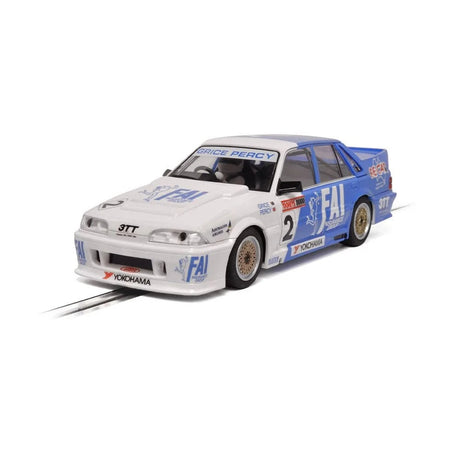

Scalextric Holden VL Commodore Group A SV - 1988 Bathurst - Allan Grice/Win Percy Slot Car [C4585F]


Carrera 20576 Evo/Digital High Banked Curve Track 3/30 (6pcs + Supports)


Scalextric Fast and Furious Hot Laps Slot Car Starter Set [C1458]**

Scalextric C8235 Radius 4 Curve 22.5 Degrees (2)


Scalextric Mazda RX7 - Dom Toretto - The Fast And The Furious Slot Car [C4592]**

Scalextric C4493 Land Rover Series 1 - Poppy Red Slot Car


Carrera 20588 Evo/Digital Shoulder for 1/3 Straight (4pcs)

Carrera 30355 Digital Series II Lap Counter Display


Carrera 20567 Evo/Digital Outside Shoulder For 1/30 Curve (6pcs)

Carrera GO!!! SPS Transformer - 240V/14.8Volt


Carrera 20573 Evo/Digital Curve Track 3/30 (6pcs)


Carrera Evo/Digital Red Multi Track Connector Stick (20Pcs) [85245]

Carrera Digital 1/32 Standard Decoder Chip [26732]


Carrera GO!!! Short Straight Track 10cm & 11.4cm 3pcs Each [61658]


Scalextric C8205 Standard Straight 350mm 2


Carrera 30371 Digital Check Lane for Split Time Measurement

Carrera Digital Series II Driver Display [30353]
What are the different sizes of slot cars?
Slot cars come in a few standard scales. 1/32 scale is the most popular for home tracks and gives a balance between size and detail. Smaller HO scale cars, from 1/64 to 1/87, fit more track into a smaller space. 1/24 scale cars are larger and often seen on club or commercial circuits with more room for wide layouts. Always match your cars and tracks by scale to make sure they fit and run properly.
Can you build your own slot car?
Yes, many hobbyists build their own slot cars using body kits and chassis parts. Some kits focus on realistic detail, while others are designed for easy custom painting. To get your car on the track, you’ll need a body shell, a chassis, a motor, and wheels. Building your own car lets you adjust the setup to suit your driving style or track layout.
Do slot cars have motors?
Slot cars use small DC electric motors to power the rear wheels. These motors draw power from metal rails in the track through contact brushes under the car. The motor is housed in a chassis, topped by a body made of plastic, resin, or metal that often copies a real-world vehicle. Some racers swap motors to fine-tune speed or acceleration for better race results.